
Easter in Guadeloupe, all you need to know
What to do at Easter in Guadeloupe?
Easter in Guadeloupe isn't just a long weekend. It's an atmosphere. A smell. The sound of waves mixed with laughter. It's a time when the island slows down... to reconnect. So, what to do at Easter in Guadeloupe? Between culinary traditions, lively beaches, local festivals, and crab hunting, here's why it's one of the liveliest times of the year.
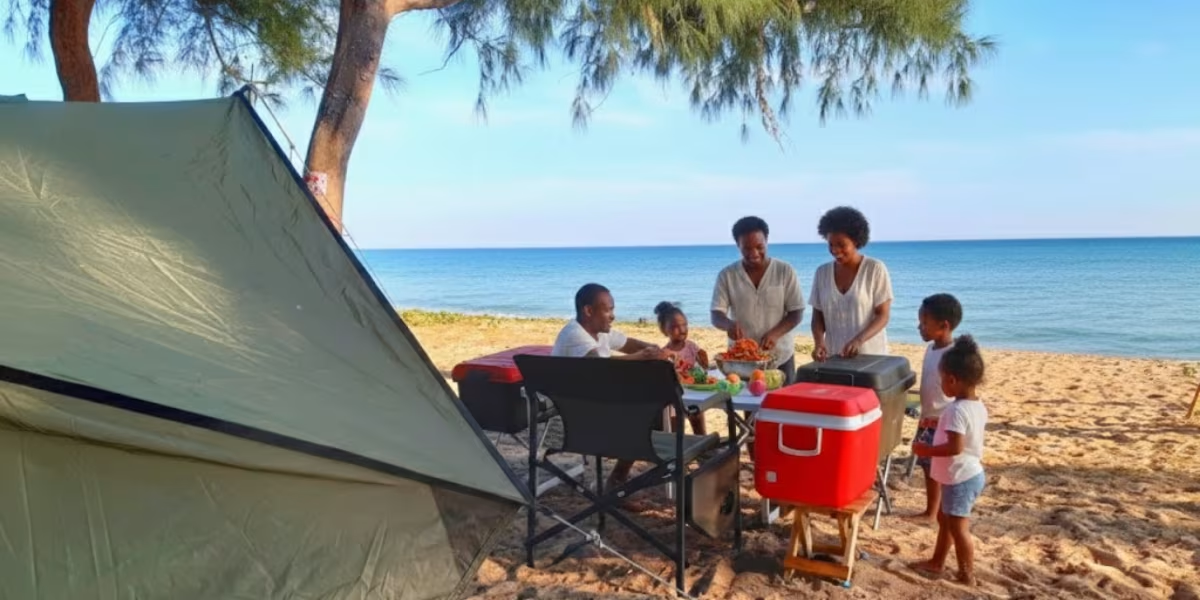
Easter vacations are the perfect "season" to discover Guadeloupe. At the end of the high season, you can enjoy the island and spend pleasant moments with your family, get some sun and learn more about the history of the island, what more could you ask for! At Easter you will have the chance to enjoy traditional Creole cuisine, including the main menus of this period.
📅 Easter holidays in Guadeloupe 2026
In 2026, Easter weekend will take place on:
Good Friday: April 3, 2026 (public holiday in Guadeloupe)
Easter Sunday: April 5, 2026
Easter Monday: April 6, 2026
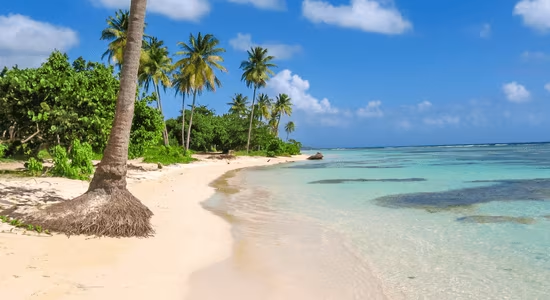
In Guadeloupe, Good Friday is particularly respected, with religious celebrations in many towns. But as soon as the weekend arrives, the beaches of Grande-Terre and the natural areas of Basse-Terre fill up. Families, friends, groups of regulars... everyone has their favorite spot. Bois Jolan, Sainte-Anne, Trois-Rivières, Deshaies... the island comes alive outdoors.
A religious holiday above all in Guadeloupe
Easter is above all a religious holiday and has a special meaning for the faithful. Guadeloupe has many believers, mostly Christians. For many of them, it is an occasion to gather and commemorate the resurrection of Christ.
How is Easter Week organized in Guadeloupe ?
Easter is celebrated over several days in the French West Indies and especially in Guadeloupe. The Holy Week begins with the Palm Sunday mass, which takes place one week before Easter Monday.
During "Good Friday" Christians practice fasting before gathering with their families around accras. This is the island's signature dish, often garnished with cod, vegetables or shrimp.
"Saturday Gloria" will mark the end of Lent. The faithful will go to mass usually with their families.
Easter Sunday and Monday: it is the occasion for families to gather and taste the crab matéte on the different beaches of the island.

🦀 Easter traditions in Guadeloupe: crab above all else
If you had to sum up Easter traditions in Guadeloupe in one word, it would be crab.
In the past, crab was considered a slave food. Upon their arrival on the islands, the colonists converted the slaves to Christianity and baptized them. In order to respect the tradition of Lent, which forbids the consumption of meat, the slaves were forced to eat crab, which at the time was a lean meat.
They would therefore meet and eat only crab throughout Lent, and on Easter Sunday they would finish the stock before returning to eating other meats.
As Easter approaches, you see them everywhere:
crab traps along the roads,
vendors set up along the highways,
and passionate discussions about "who will get the crab's claw."
In Morne-à-l'Eau, considered the crab capital, the atmosphere is special at this time of year. Families prepare their famous matoutou. The markets come alive. Recipes are passed on. And yes... the debate is serious: mild chili or hot chili? 👀

🍽️ Cuisine in Guadeloupe during Easter
Easter is one of the biggest gastronomic events of the year.
On the menu:
Matété à Krab (of course),
Matété a Krab (or Matété de Crabe) is THE must-have dish for Easter celebrations in Guadeloupe. It's much more than a recipe, it's a cultural institution. Traditionally, families go hunting for land crabs weeks in advance, feed them (known as "purging") with corn, coconut, or chili peppers to clean their flesh and give them flavor before the big Easter weekend feast.
Crab dombrés,
Crispy accras (who hasn't eaten accras still hot from the oil?),
Fried fish,
Spiced rice.
It's a time for sharing. People cook in large quantities. They eat under carbets or on the beach. They help themselves to seconds without asking.

🎉 Easter-related events in Guadeloupe
Easter isn't just about the beach and cooking.
🦀 Morne-à-l'Eau Crab Festival
Guadeloupe's iconic crustacean takes center stage at the Crab Festival in Morne-à-l'Eau, combining flavors and traditions. Guadeloupean life is strongly influenced by this annual celebration. Ideal for lovers of fine dining and conviviality, this event showcases local culinary arts and the richness of Guadeloupean traditions.
📅 Dates for 2026: The 2026 Crab Festival will take place from March 28 to April 5, 2026. The theme for the 34th edition of the 2026 Crab Festival is Volunteering.
🐐 Goat Festival in La Désirade
On the island of La Désirade, the Fête à Kabrit (Goat Festival) is regularly held during Easter weekend. It celebrates goats through concerts, tastings, and culinary and cultural events.
⛺ Camping in Guadeloupe
Easter in Guadeloupe means camping! It's a tradition, a special time to chat and enjoy good times with friends or family. Many people set up camp before Easter weekend so they can enjoy the beaches even more. Some beaches are off-limits for camping, so be sure to check municipal restrictions and permits.
What are some things to do during Easter in Guadeloupe?
Here are a few ideas:
Plan a day at the beach in Sainte-Anne or Le Moule
Take a trip to Les Saintes or Marie-Galante
Explore La Soufrière in the morning and finish with a Creole lunch
Visit a local market
Watch the crabs in the mangroves











Don’t miss our latest offers!
Receive our promotions, special offers, and car rental tips for Guadeloupe directly by email.


