
Guadeloupe Carnival in 2027
Guadeloupe Carnival 2027
Looking for the 2027 Guadeloupe Carnival dates or the Carnival programme? Here is an overview of this year’s must-see events to make the most of this colourful celebration, rich in culture and traditions!
Planning to experience the 2027 Guadeloupe Carnival? This year, the Carnival season runs from Sunday, 10 January, the first Sunday after Epiphany, to Wednesday, 10 February 2027. The main Carnival Days will take place from Sunday, 7 February to Wednesday, 10 February 2027.
📅 Key Dates for Guadeloupe Carnival 2027
A true institution across the archipelago, Guadeloupe Carnival reaches its peak during the main Carnival Days, from Shrove Sunday to Ash Wednesday. Here are the key moments not to miss:
In Guadeloupe, Carnival begins on the first Sunday after Epiphany and ends on Ash Wednesday.
Carnival Days
Shrove Sunday: 7 February 2027
The Grand Parade in Pointe-à-Pitre brings together Carnival groups for a colourful celebration.
Shrove Monday: 8 February 2027
The festivities continue in Basse-Terre with a night parade.
Shrove Tuesday: 9 February 2027
One of the highlights of Guadeloupe Carnival, the grand parade takes over the streets of Basse-Terre.
Ash Wednesday: 10 February 2027
A day filled with emotion and tradition, the burning of Vaval marks the end of the festivities.
🎭 Guadeloupe Carnival 2027 Programme
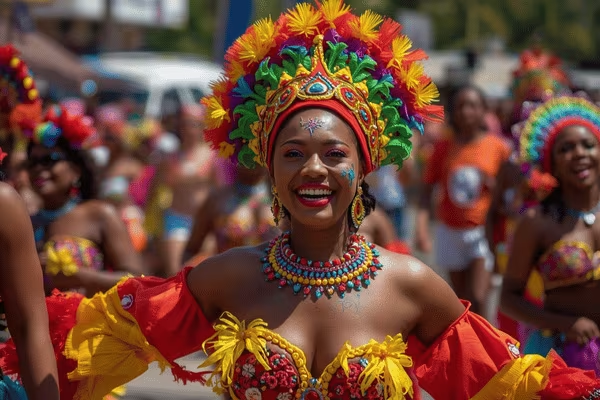
A major cultural highlight in the Caribbean, Guadeloupe Carnival 2027 promises another colourful season! From the first festivities in January to the main Carnival Days in February, music, dance, costumes and traditions will set the rhythm of this new Carnival season.
📅 Key dates not to miss
Discover the first confirmed dates for Guadeloupe Carnival 2027. The programme will be updated as new events are announced.
Event | Date | Location |
Shrove Sunday | Sunday, 7 February 2027 | Pointe-à-Pitre |
Shrove Monday | Monday, 8 February 2027 | Basse-Terre |
Shrove Tuesday | Tuesday, 9 February 2027 | Basse-Terre |
Ash Wednesday | Wednesday, 10 February 2027 | Guadeloupe |
January 2027
The Carnival season will begin in January 2027. Dates for the first parades, the presentation of Vaval and other events taking place across Guadeloupe will be added as they are announced.
February 2027
Sunday, 7 February – Shrove Sunday and Grand Parade in Pointe-à-Pitre
Monday, 8 February – Shrove Monday in Basse-Terre
Tuesday, 9 February – Shrove Tuesday in Basse-Terre
Wednesday, 10 February – Ash Wednesday: the burning of Vaval marks the end of the Carnival season.
March 2027
Mid-Lent will take place on Thursday, 4 March 2027. The programme of parades and festivities will be added once it is announced.
Guadeloupe Carnival: Overview, History, and Traditions
Guadeloupe Carnival is one of the biggest cultural events in the Caribbean. With spectacular parades, colorful costumes, and lively rhythms, this popular festival brings the island to life at the start of each year.
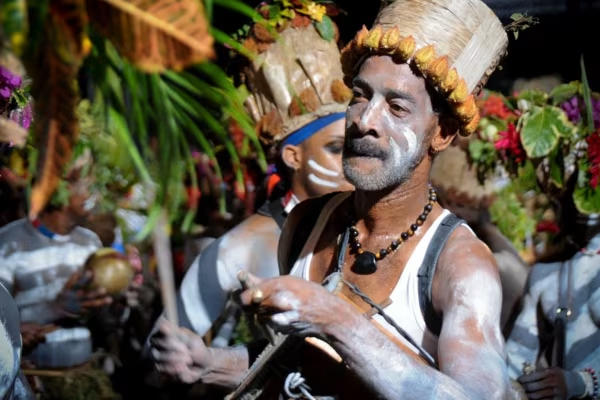
It is much more than just a carnival: it is a true celebration of Guadeloupean identity. The walking groups, called gwoup a po, prepare their choreography and ka drums from November onwards to put on an unforgettable show in the streets of Pointe-à-Pitre, Basse-Terre, Marie-Galante, and other towns in the archipelago.
The mythical character Vaval, king of the carnival, is at the center of the festivities. He embodies the spirit of the people before being burned on Ash Wednesday, marking the symbolic end of the carnival and the beginning of Lent.
Among the highlights of the carnival in Guadeloupe:
The bain démarré on January 1, a tradition that opens the carnival season.
The grand parades in Pointe-à-Pitre and Basse-Terre during the days of fat, including Mardi Gras, the highlight of the carnival.
A veritable explosion of music, dance, and creativity, the carnival in Guadeloupe attracts thousands of visitors every year.
Why go to the 2027 Guadeloupe Carnival?
The Guadeloupe Carnival embodies the joie de vivre, cultural expression, and resilience of the Guadeloupean people. With its values of sharing, artistic richness, and infectious energy, it attracts thousands of visitors every year who come to discover this legendary celebration.
Attending the 2027 Guadeloupe Carnival is an authentic experience:
🥁 Discover the walking groups and their lively percussion music;
🎭 Admire the Grande Parade in Basse-Terre and the parades in Pointe-à-Pitre;
💃 Immerse yourself in a festive atmosphere that unites locals and visitors alike;
🌴 Enjoy a cultural journey to the heart of the Caribbean, between sea, music, and tradition.
It's also an opportunity to savor the local cuisine, explore the island, and experience the warmth that Guadeloupe is known for.
Everything you need to know about the carnival in Guadeloupe
From Vaval, the ephemeral king of carnival, to the molasses-covered Gwo Siwo, to the synth bands and mas à fèyaj, all embody the spirit and diversity of this unique Caribbean celebration.
The different carnival groups
Vaval
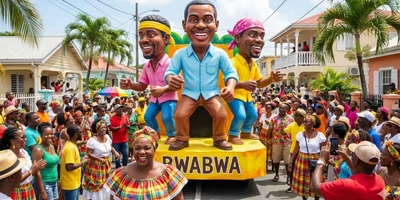
Every year, Vaval embodies the excesses or significant events of the year: he is celebrated during the parade on Fat Sunday and burned on Ash Wednesday.
"Po" groups
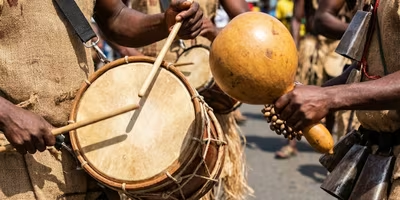
The "Gwoup a po" bring together hundreds of musicians marching to the beat of drums made from animal skins, accompanied by chachas and conch shells. A prime example is Akyo, one of the best-known groups, which passionately perpetuates this tradition.
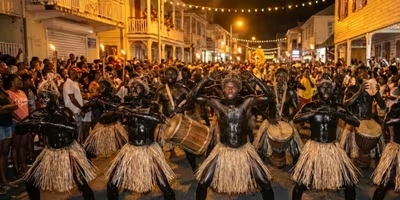
The "Siwo" groups
Often associated with collectives such as the Voukoum group in Basse-Terre, Siwo groups perpetuate a tradition that is spiritual, protest-oriented, and artistic, linking each carnival to the island's history and cultural pride.
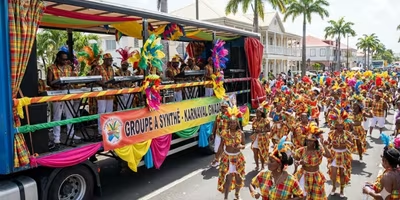
Synth Groups
Synth groups bring a modern touch to the Guadeloupe Carnival. On foot, these talented musicians thrill the crowd with the sound of their synthesizers, bass guitars, and electric guitars. Their unique style blends tradition and modernity, creating an electrifying and dynamic atmosphere at every parade.
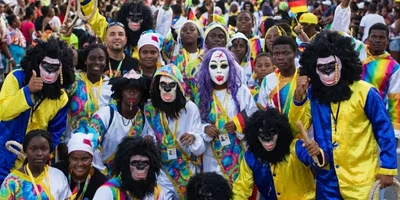
The "Ti Mass" groups
The Ti Mass, literally "little masks," are young masked artists who bring a touch of mischief and energy to the parades. They play a variety of percussion instruments, combining steel pans, plastic drums, snare drums, and whistles.
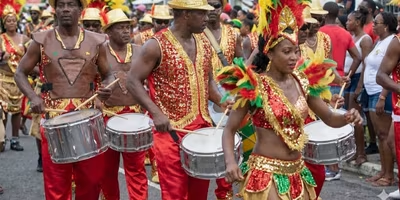
Snare drum groups
Renowned for their powerful sound and visual impact, these bands are distinguished by their players dressed in colorful, eclectic costumes. From their often beautifully decorated floats, they play instruments such as brass and snare drums, creating a festive musical atmosphere.
Traditions in Guadeloupe during Carnival
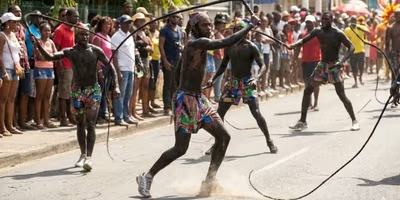
Whips
Whips are an integral part of the Guadeloupe Carnival. Used by certain groups on foot, they crack through the air to the beat of the drums, evoking physical mastery, the power of sound, and the African roots of this celebration. Their impressive crackling animates the streets and contributes to the intense energy of the parades.
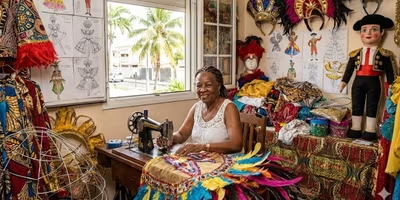
The costumes
Every Sunday during Carnival, Guadeloupean groups parade in new costumes designed around a theme chosen collectively. These handcrafted creations often tell a story inspired by current events, legends, or symbolic messages. Embroidery, feathers, sequins, and recycled materials are combined to bring these vibrant, colorful, and meaningful works of art to life.
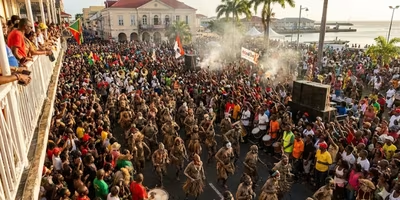
The "déboulés"
This is the name given to the large street parades that enliven every weekend of the Guadeloupe Carnival. The term "déboulé" comes from Creole and literally means "to surge" or "to take to the streets." The déboulés bring together the various carnival groups that parade through the towns.
💡 Advice from Europcar Guadeloupe
For the Guadeloupe Carnival parades, particularly in Basse-Terre and Pointe-à-Pitre, plan to arrive at least 1 to 2 hours in advance, especially during the days of Fat Tuesday.
Parking can be difficult near the parade areas: consider using the public parking lots located around the city center and carpooling.
Check the carnival program regularly, as some parades may change dates or locations depending on weather conditions.
As for the weather, there's no need to worry: between January and February, Guadeloupe enjoys warm and pleasant weather, with an average temperature of around 82°F, perfect for enjoying the carnival in complete serenity!
🚗Book your vehicle now
To make sure you don't miss a thing, rent a car from Europcar Guadeloupe and follow the parades across the island in complete freedom.









The Guadeloupe carnival takes place all over the archipelago, particularly in Pointe à Pitre and Basse Terre.
The Guadeloupe carnival takes place over 4 days. It generally begins on Shrove Sunday and ends on Ash Wednesday. During this period, the whole of Guadeloupe lives to the rhythm of the festivities.

Don’t miss our latest offers!
Receive our promotions, special offers, and car rental tips for Guadeloupe directly by email.


