
What to Do in Basse-Terre, Guadeloupe? Our Top Things To Do
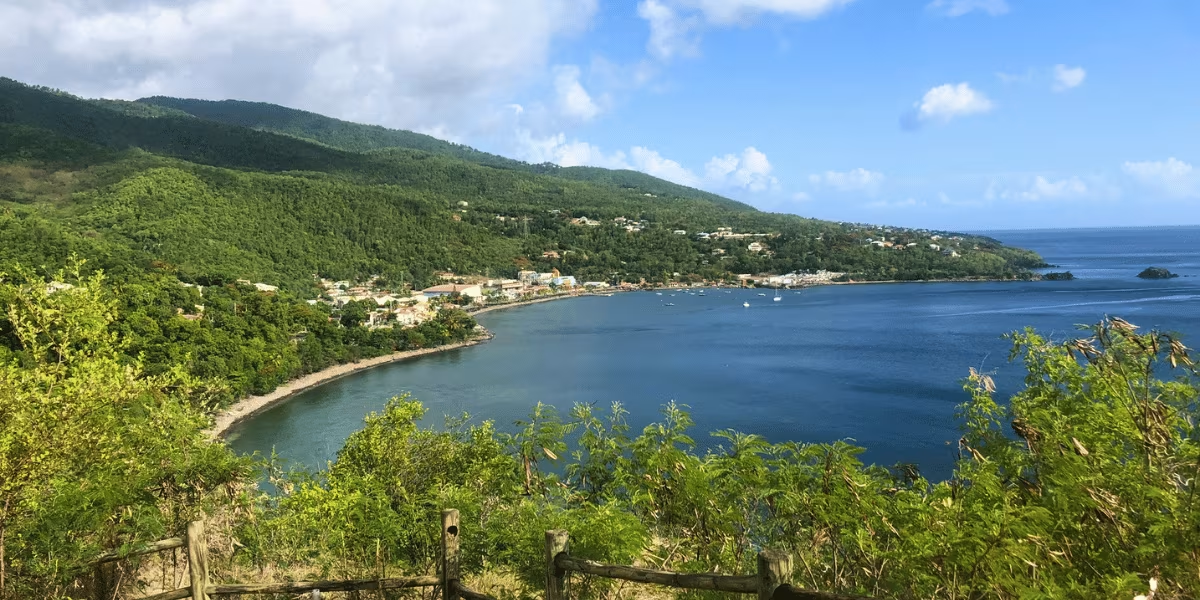
The town Basse-Terre in Guadeloupe
A small point that often causes confusion: Basse-Terre is both the name of the mountainous island situated to the west of Guadeloupe… and that of its capital.
Basse-Terre isn’t a place you simply visit; it’s a place you experience. Between the streets steeped in history, the local markets, the iconic buildings and the tropical forest that begins almost on the city’s doorstep, it’s easy to go from a stroll through the town to immersing yourself in the heart of nature.
Are you planning your visit? If you’re looking for things to do in Basse-Terre, you’ve come to the right place: here, we’re talking specifically about the town itself. Here are the must-sees and the best ideas for exploring Basse-Terre without missing out on what makes it so charming.
Basse-Terre Town : Its history, location and useful information
Founded in the 17th century, Basse-Terre developed around its port, maritime trade and the cultivation of coffee, cocoa and sugar cane. Gradually becoming the administrative centre of the archipelago, it is now the prefecture of Guadeloupe. Its colonial heritage, historic buildings and markets still bear witness to this past, which has shaped the whole island. In Guadeloupean Creole, Basse-Terre is known as Bastè, and its inhabitants are called Basse-Terriens.
Few visitors realise this, but contrary to what its name might suggest, Basse-Terre is not the lowest-lying part of Guadeloupe. The term ‘basse’ actually comes from nautical vocabulary: it referred to the leeward coast, sheltered from the trade winds. Conversely, Grande-Terre corresponded to the windward coast. This historical anecdote often surprises travellers.
📮 Postcode: 97100
👥 Population: approximately 10,000 inhabitants
🗺️ Nearby towns: Saint-Claude, Gourbeyre, Baillif
Basse-Terre is located about 55 minutes from Guadeloupe Maryse Condé Airport. The town is the main gateway to the south of Basse-Terre, La Soufrière, the Carbet Falls and Guadeloupe National Park.

We love Basse-Terre for:
💚 Its ability to blend the city… with the jungle. Here, you can visit a historic fort in the morning and find yourself in the heart of the rainforest just a few kilometers later. Few places offer such a rapid change of scenery.
💚 Its history, which you discover as you walk. Between the Creole houses, the shaded squares, and Fort Delgrès, Basse-Terre has that “open-air history book” feel… only much more enjoyable to explore.
💚 Its atmosphere, far from the clichés of a beach resort. It doesn’t need a string of beaches to charm visitors. Basse-Terre captivates with its authenticity, its mountains as a backdrop, and the feeling of discovering a more intimate side of Guadeloupe.

Things to Do in Basse-Terre, Guadeloupe: Our Top 8 Attractions
1. Visit Fort Delgrès
No visit to Basse-Terre is complete without exploring Fort Delgrès, one of Guadeloupe's most important historical landmarks. Originally built during the 17th century to protect the French colony, the fort now honors Louis Delgrès, a symbol of the resistance against the restoration of slavery in 1802.
As you walk along the ramparts, bastions, and former military barracks, you'll travel through centuries of history while enjoying breathtaking views over the Caribbean Sea and the lush mountains of Basse-Terre. The self-guided visit usually takes between one and one and a half hours. If you enjoy combining history with spectacular scenery, this should be your first stop.
2. Wander Through the Historic Center of Basse-Terre
As the administrative capital of Guadeloupe, Basse-Terre boasts a charming historic center where colonial buildings, Creole architecture, and historic squares blend together.
Strolling through its streets, you'll discover landmarks such as Notre-Dame-de-Guadeloupe Cathedral, the Prefecture, the Departmental Council Palace, and several monuments reflecting the city's rich colonial past. Be sure to look up as you walk—many of the colorful façades still tell the story of Guadeloupe's former colonial capital.
3. Explore Basse-Terre Market
For an authentic taste of Guadeloupe, head to Basse-Terre Market. Local farmers and artisans sell tropical fruits, spices, fresh vegetables, homemade rum punches, vanilla, cocoa, and handcrafted Creole products.
It's also one of the best places to sample local specialties such as accras (salt cod fritters), bokits, or freshly pressed sugar cane juice. The market is especially lively during the morning when locals come to shop for fresh produce.
4. Walk Along the Waterfront
Basse-Terre's waterfront promenade offers a relaxing stroll overlooking the Caribbean Sea.
With its harbor, green spaces, and beautiful mountain backdrop, it's the perfect place to unwind after visiting the city's historic sites. In the late afternoon, the golden light enhances the scenery while cafés and terraces begin to fill with locals and visitors enjoying the pleasant atmosphere.
5. Visit the Schœlcher Museum
Housed in an elegant colonial mansion, the Schœlcher Museum is dedicated to Victor Schœlcher, the French statesman who played a key role in the abolition of slavery in the French colonies.
In addition to learning about his life and legacy, visitors can explore art collections, historical artifacts, and exhibitions that provide a deeper understanding of Guadeloupe's history. Plan about an hour for your visit.
6. Discover Champ d'Arbaud and Beauvallon Garden
Just a few minutes from the city center, Champ d'Arbaud and Beauvallon Garden provide peaceful green spaces ideal for a relaxing walk or a quiet break.
Surrounded by tropical vegetation and shaded pathways, these gardens offer a refreshing escape before continuing your exploration of Basse-Terre's historic district.
7. Visit the Port of Basse-Terre
Although less touristy than the marinas of Grande-Terre, the Port of Basse-Terre remains an important part of the city's identity.
Fishing boats, ferries, and cargo ships pass through the harbor every day, creating an authentic maritime atmosphere. From the waterfront, visitors can enjoy beautiful views of the Caribbean coastline, especially when the volcanic mountains rise dramatically in the background.
8. Taste Traditional Creole Cuisine
Basse-Terre is one of the best places to discover authentic Guadeloupean cuisine.
Local restaurants serve traditional dishes such as colombo, dombrés, fish blaff, court-bouillon, bokits, and refreshing homemade coconut sorbet. Many small family-run restaurants in the town center offer a warm, welcoming atmosphere far from the island's busiest tourist areas, making them perfect for enjoying local flavors at a relaxed pace.

🌿 Hidden Gems and Secret Spots to Discover in Basse-Terre
🎨 Go on a Street Art Hunt
Venture away from the main streets and you'll discover another side of Basse-Terre. Hidden throughout the city are impressive street art murals, colorful walls, and contemporary works created by talented local artists. These vibrant artworks bring a modern touch to a city best known for its rich historical heritage, making for a unique walking experience and some excellent photo opportunities.
🌅 Enjoy the View from the Carmel Viewpoint
Perched on the hills above Basse-Terre, the Carmel Viewpoint offers a stunning panorama over the city's rooftops, the Caribbean Sea, and, on clear days, the coastline stretching toward the north of the island. Despite its beautiful scenery, this viewpoint remains unknown to many visitors. How to get there: From downtown Basse-Terre, it's only a few minutes by car to reach the hills of Carmel. The roads are easily accessible, and several spots along the way allow you to stop and enjoy the spectacular views.

Le Passage des Marchés, City of Basse-Terre, Guadeloupe

What to Do in Basse-Terre in One Day
Start your morning at Fort Delgrès, perched above the town. In addition to its historical significance, the fort offers breathtaking views over the Caribbean Sea and the lush mountains of Basse-Terre. As you make your way back down, take time to wander through the town center, exploring the local market, traditional Creole houses, and charming streets that reflect the rich history of Guadeloupe's oldest town.
At lunchtime, settle onto the terrace of a local restaurant in the town center and enjoy authentic Guadeloupean cuisine. The atmosphere here is more local than seaside, giving you a genuine taste of daily life in Basse-Terre.
In the afternoon, drive toward the Valombreuse Botanical Garden. Surrounded by orchids, palm trees, ornamental ponds, and tropical birds, the garden provides a refreshing escape into lush tropical vegetation. It's also a wonderful opportunity to discover another side of Basse-Terre—greener, wilder, and deeply connected to nature.
As the day comes to an end, return to the waterfront to enjoy the last rays of sunshine. The golden light illuminates the town's colorful buildings while the silhouette of La Soufrière Volcano rises in the background, providing the perfect ending to a day that blends history and nature.

Cultural Calendar and Events: Must-See Highlights in Basse-Terre
📅 January – March
Guadeloupe Carnival: At the beginning of each year, the streets of Basse-Terre come alive with the sound of drums, traditional carnival groups, and colorful parades. The festive atmosphere makes it one of the city's most important annual celebrations.
Guadeloupe National Park Activities: At the beginning of the year, guided nature walks, hiking tours, and environmental activities are regularly organized to help visitors discover the wildlife, flora, and exceptional landscapes of the Leeward Coast.
📅 April – May
"Patrimoines en Lumières" Festival: Held every two years, this festival transforms Basse-Terre into a giant open-air cultural venue. Concerts, live performances, film screenings, exhibitions, and illuminated historic monuments offer visitors a unique way to rediscover the city.
Abolition of Slavery Commemoration (May 27): Basse-Terre plays a central role in this important day of remembrance. Ceremonies, commemorative marches, and cultural events are organized throughout the city, particularly around Fort Delgrès, one of Guadeloupe's most significant historical landmarks.
📅 June – August
Fête de la Musique: Every June 21, the square in front of City Hall and several locations throughout the historic center host free concerts featuring Gwoka, jazz, Creole music, and local artists.
Tour Cycliste International de la Guadeloupe: During the summer, the race regularly passes through Basse-Terre. Spectators line the streets to cheer on the cyclists in a lively and festive atmosphere.
📅 September – December
European Heritage Days: This is the perfect opportunity to visit Fort Delgrès, Notre-Dame-de-Guadeloupe Cathedral, and the historic buildings of the city center through guided tours and special events organized for the occasion.
Chanté Nwel: From the end of November, Basse-Terre embraces the Christmas season. Traditional Christmas songs echo through the city's squares and neighborhoods as locals and visitors gather to sing classic Creole carols while enjoying traditional local specialties. It's a warm and authentic experience that perfectly captures the spirit of Christmas in the French Caribbean.
💡 Planning your trip to Guadeloupe? Discover all the festivals, sporting events, and cultural celebrations taking place across the archipelago throughout the year in our "When to Visit Guadeloupe" guide.

Car Rental in Basse-Terre
In Basse-Terre, every road leads to a new adventure. Within a short drive, you can go from the historic town centre to the Guadeloupe National Park, from waterfalls to black sand beaches. Renting a car in Basse-Terre is the best way to explore southern Guadeloupe without any restrictions.
With Europcar Guadeloupe, discover Basse-Terre, La Soufrière volcano, the Carbet Falls and the Caribbean coast at your own pace, stopping whenever a place catches your eye.










Don’t miss our latest offers!
Receive our promotions, special offers, and car rental tips for Guadeloupe directly by email.


